

India’s smart metering drive advances efficiency, sustainability, and revenue growth.
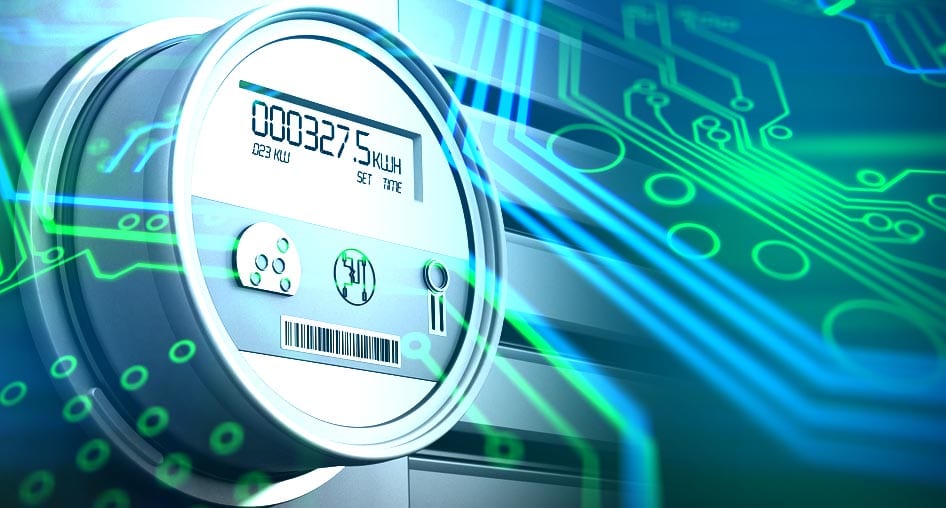
India is at the forefront of global efforts to combat climate change by reducing its carbon footprint and reliance on fossil fuels. In pursuit of its ambitious goal to achieve net-zero emissions by 2070 and source 50% of its energy from renewables by 2050, the country is rapidly advancing its smart metering initiatives. Smart meters, part of the Advanced Metering Infrastructure (AMI), are poised to revolutionize the power sector by enhancing efficiency, reducing energy wastage, and enabling predictive analytics to support operational and environmental goals.
In the quest for a sustainable future, technology is playing a pivotal role in transforming the energy sector. The Advanced Metering Infrastructure (AMI) aims to deploy smart meters across India, with approximately 5 million smart meters already installed through pilot projects. These initiatives are demonstrating the benefits of smart metering in curbing electricity theft, reducing waste, and increasing energy efficiency. Smart meters not only promise to enhance billing accuracy but also to drive significant improvements in consumer behavior and operational efficiency.
The implementation of AMI and smart meters is crucial for modernizing India’s energy infrastructure. The Smart Meter National Program, supported by the revised electricity distribution sector scheme, is instrumental in mobilizing resources and technologies. Studies have shown that smart meters can significantly increase revenue for utilities and reduce electricity theft and billing errors. For instance, Uttar Pradesh reported a 19.5% increase in revenue per meter, and Bihar experienced a staggering 169% increase after deploying prepaid smart meters. These successes underline the potential of smart metering to benefit both utilities and consumers.
The advantages of AMI extend across the entire energy value chain. For utilities, smart meters improve billing accuracy, reduce operational losses, and enhance revenue collection. They also enable better demand management and operational efficiency. For consumers, smart meters promise accurate billing, improved electricity supply quality, and better control over energy consumption. This transformation encourages responsible energy use and supports a shift towards sustainable living. Overall, AMI is essential for India’s growth and the achievement of its sustainability targets.
Despite the benefits, the rollout of smart meters faces several challenges. Consumer resistance, resource optimization, and logistics management are among the key hurdles. The success of smart meter programs depends on seamless integration with existing IT infrastructure and effective stakeholder engagement. Managing the lifecycle of smart meters, from procurement to disposal, also requires robust supply chain solutions. Addressing these challenges is crucial for the successful deployment of AMI and for gaining consumer trust and acceptance.
To overcome these obstacles, smart meters and AMI systems need robust IT support. Real-time data processing and integration with various systems are vital for optimizing utility grids and meeting regulatory requirements. The growing volume of data from smart meters demands advanced enterprise architecture capable of handling large datasets efficiently. Utilities must ensure that their IT infrastructure can support the demands of smart metering and provide reliable, real-time insights.
STYRA is leading the way in the adoption of smart metering solutions. Its smart meter and workforce management solutions are designed to streamline the integration process and address the challenges of AMI implementation. With successful partnerships with various utilities and AMISPs, STYRA is playing a crucial role in the nationwide smart meter rollout. Its solutions are customizable, secure, and geared towards improving both operational efficiency and consumer experience.
The transition to smart metering is a significant step towards a smarter, more efficient energy grid. Smart meters offer numerous benefits, from reducing electricity theft and enhancing billing accuracy to promoting energy conservation and supporting sustainable practices. As India continues to implement smart meters on a large scale, it is essential to address the associated challenges and embrace the technological advancements that will drive the future of energy management. The successful rollout of smart meters will not only contribute to India’s climate goals but also pave the way for a more responsive and efficient energy market.